The latest WeBuyCars advert is attracting attention for more than its punchline. As debate over the campaign grows, the public reaction offers a window into how South Africans judge brands and their advertising.
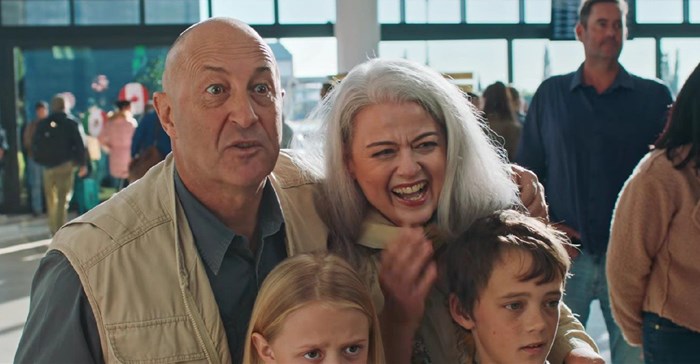
We Buy Cars' advert has stirred debate. Source: YouTube.
US and SA politics
For those who haven't seen it, the advert touches on the debate around South Africans relocating to the United States under the refugee programme. It does so in typical tongue-in-cheek fashion, using a World Cup storyline to land the punchline.
As expected, the reactions have been all over the place. Some people thought it was clever. Others thought it was completely inappropriate. And judging by the responses I've seen online, there doesn't seem to be much middle ground.
What strikes me is that this may be exactly what WeBuyCars was aiming for.
Let's be honest - most advertising barely registers anymore. We scroll past it, skip it, mute it or forget it within minutes. Breaking through that noise is incredibly difficult.
Yet this advert has managed to spark real debate. People aren't just talking about the brand. They're discussing whether the joke crossed a line, whether current affairs should be fair game for marketers, and whether humour changes the way we engage with sensitive topics.
That's no small achievement.
In many ways, it reminds me of what Nando's has done for years. Whether you agreed with their campaigns or not, they understood something that a lot of brands still struggle with: relevance gets attention.
One advert that immediately came to mind was the old Nando's campaign debating who arrived in South Africa first. I remember the conversations around it far more vividly than I remember whatever meal they were promoting at the time.
People debated it, argued about it and shared it with their friends. It went viral before the BCCSA pulled the plug on our TV broadcasts. Looking back, that's probably a sign of good advertising.
But interestingly, it doesn't completely support the point I'm making. I can remember the advert. I can remember the debate. What I can't honestly tell you is whether it made me buy more - or less - Nando's meals.
And, maybe that's where things get interesting.
Having spent many years in marketing and advertising, I've seen first-hand that the campaigns people remember aren't always the ones with the biggest budgets. More often than not, they're the ones that make people feel something, laugh at something, or talk about something.
One campaign that always comes to mind is SABAT's Save the Brave social media campaign. I worked on it many years ago, so I had a front-row seat to how people reacted to it.
Although it was clearly branded entertainment, many people believed it and took it seriously. As the campaign gained traction, people became genuinely concerned about whether the characters were safe and whether they would actually be rescued. They followed the story, discussed it with friends and became emotionally invested in people who didn't even exist.
Fifteen years later, people still bring that campaign up in conversation. Not because of the batteries. Not because of the product features. But because they remember the story.
Memorable campaigns
That's why I'm always cautious when people try to judge a campaign purely on whether everyone liked it. Advertising has never really worked that way. Some of the most memorable campaigns I've seen generated confusion, debate, disagreement and even criticism.
Yet years later, people still remember them.
Like Nando's, WeBuyCars seems willing to take the risk that comes with commenting on topics people are already talking about. Sometimes that pays off. Sometimes it backfires. But people remember it.
Which raises the question: Does advertising need people to like it? Or, does it simply need people to remember it? I'm genuinely torn on that one.
On the one hand, topical advertising can alienate parts of your audience. There are definitely situations where brands can misjudge the mood or underestimate how personally some people experience an issue.
On the other hand, attention has become one of the hardest things to earn. When an advert becomes a conversation in its own right, that's powerful.
What I find most interesting is that the discussion around this campaign now feels bigger than the campaign itself.
People are debating the advert, the humour, the timing and the ethics of using a real-world issue in marketing. And maybe that's the real success here. Not whether everyone laughed. Not whether everyone approved. But whether enough people stopped scrolling and started talking.
Love it or hate it, a lot of people are talking about WeBuyCars right now.
From a marketing perspective, that's hard to ignore.
What do you think? Is this smart, relevant marketing that reflects what's happening in society? Or are there some topics that brands should simply leave alone?