In a world filled with perfectly polished social media posts and constant information overload, the marketing scene can feel cluttered. Speaking with an authentic and unique voice in this crowd is not always easy. Among South African brands, those creating the most memorable narrative, are the ones that have managed to nail down our country’s sense of humour.
For Liezel Malherbe, creative director at Lumico, navigating humour takes skill to master. “To remain authentic and truly resonate with your audience, there is a delicate balance that you need to find so that you can bring a human touch to your brand,” says Malherbe.
“If you aren’t laughing in this country, it’s probably because you’re not from this country. Because even when you’re stuck in a four-hour queue at Home Affairs, it’s possible to find something to laugh about,” Malherbe jokes. For her, humour is more than just a punchline; it’s the bridge that turns cold marketing into genuine connection. “I think humour is, quite literally, what keeps the national spirit from fraying at the edges.”
Balancing seriousness with local flavour
Liezel believes that South Africans have developed a world-class 'nonsense detector'. They value brands that feel grounded and real, rather than a brand that feels overly polished and generic.
“While a serious approach is often essential, there is a significant advantage to balancing that professionalism with relatability,” she explains. “In a country where life is often unpredictable, a brand that acknowledges the local context feels more accessible.”
Real brands that are 'getting it'
When we look at who is actually winning the hearts (and wallets) of the public, Malherbe points to two heavyweights: the unapologetically bold Chicken Licken and the very sharp LekkeSlaap.
“Chicken Licken has mastered storytelling that is deeply rooted in South African culture, while still being entertaining,” Malherbe notes. Their recent ‘Just Enough Extra’ campaign, humorously leans into a very human struggle – that instinct to go a little over the top to impress, to be seen, or to show up just right. “They tap into real, relatable human feelings. And it works. Their videos are regularly racking up millions of views, and they have a strong recognition in the industry.”
Malherbe highlights LekkeSlaap as stand-out in relatability, leaning into the hilarious nuances of South African travel – like naming children after towns like Clarens, and little Tietiesbaai. This specific campaign has pulled over 6 million views in under two weeks. The brand’s strength shows in its performance – consistently ranked among South Africa’s top online travel platforms. “They win because they make the brand feel like it really belongs to the people using it.”
Why authentic humour hits home
“Humour only works when it’s rooted in something real,” Malherbe explains. “If it’s forced or feels like you’re trying too hard, people see straight through it.”
That’s where a brand can get it wrong. In a market saturated with content, audiences aren’t just looking to be entertained – they want to feel understood. People are far more likely to remember brands that make them laugh, as long as that humour feels authentic and relevant.
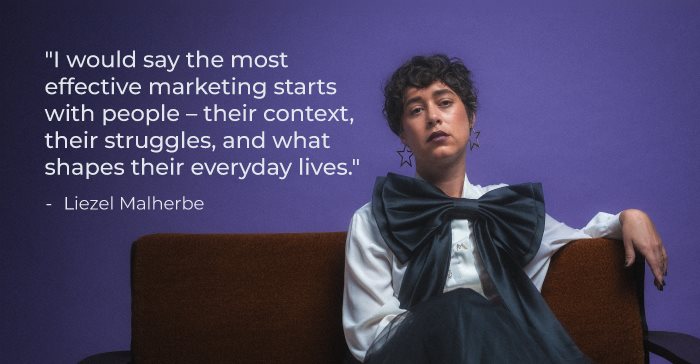
“I would say the most effective marketing starts with people – their context, their struggles, and what shapes their everyday lives,” she adds. “It creates narratives that belong in conversations around the kitchen table or jokes in the Home Affairs queue. That’s where real brand connection is built.”
The final verdict
In South Africa, humour can be the difference between a once-off purchase and genuine brand loyalty. It shifts a product from something you buy on special to something you actually like. “Humour can have a way of reassuring that despite our challenges, our spirit remains sharp,” Malherbe notes.
Before your next launch, she suggests asking one critical question: “Does this truly resonate, or is it just a casual attempt to look local?” Because if you can make a South African laugh, you don’t just win attention – you earn loyalty. And that, tjommie, is how you can use humour as your secret weapon.