It’s ten minutes before 40,000 people tune in. Ryan Ferreira, Lumico's events manager, and his colleague Alwyn Strydom have been at this since the previous night. Every camera feed was tested. Every studio across the country was ready. Then, while everyone slept, Microsoft pushed a Teams update.
The update changed how attendees appear on screen. For a broadcast built around showing Absa's regional executives simultaneously, from Johannesburg to Cape Town, this is not a small problem. This is the whole show.
"Panic is contagious," Ryan says. "The moment you panic, the client starts to panic."
So he picked up the phone and worked through every studio, every executive, one call at a time: switch off your camera when you’re not live, switch off your mic, we’re restructuring, we’re going ahead.
What clients actually remember
People rarely remember the agenda or the slides. They remember the way the room felt when they walked in – and that feeling is the result of decisions made long before event day.
When Absa came to Lumico for their Excellence Awards, Ryan sat in the venue with the client for nearly two hours. No decks, no proposals, just a conversation in an empty hall about what the experience should feel like. A drone show was considered, which was undeniably exciting, but at R700,000 before any other element is added, not exactly practical. The idea didn’t make the cut, but the intention behind it did: to walk in and feel something.
That intention carried through. "When the audience walked in on the day of the awards, they were stunned," Ryan says. "We got compliments saying they'd never seen anything like it before."
The result came from LED screens positioned with intention, lighting designed for arrival, and a room configured so that the moment of walking in did the work. Elevating a brief isn’t about the most expensive idea on the table. It’s about understanding what the client wants people to feel and engineering the most effective way to get there.
The work you never see
Most of what makes an event successful is never seen. Ryan's version of event day means being on site from setup through to breakdown, overseeing structural inspections, signing off on electrical assessments, and managing health and safety paperwork that nobody at the event will ever read – but that protects everyone in the building.
South Africa's minimum liability for a live event is R5m. Ryan doesn’t raise this as a warning. He raises it because it’s why the preparation exists, and why none of it gets left to chance. For larger productions, he brings in dedicated safety officers alongside his specialist contractors: one for rigging, one for structural engineering, a separate electrician to sign off on power. Every certification is up to date before anyone walks onto that floor.
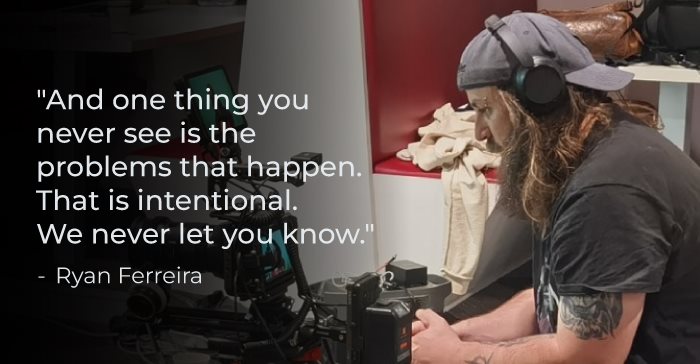
"A 22-hour day is common for us," he says. "And one thing you never see is the problems that happen. That is intentional. We never let you know."
When the event ends and the client is smiling, none of that is visible. Which is exactly the point.
Why it matters for the whole agency
Having events capability built into Lumico rather than outsourced, changes what the agency can offer. Clients don’t need to coordinate between a creative agency, a production company, and a separate events supplier. The brief comes in, and a fully realised experience comes out.
"It makes us a true end-to-end solution," Ryan says. "We take it from concept through to live execution and extend it into pre-event marketing and post-event content."
That continuity means the story told in the campaign and the story told in the room speak the same language. The client explains their vision once, and everything that follows is Lumico's responsibility to get right.
In an environment where 95% of events involve a pivot of some kind – whether a speaker dials in late, a technical element shifts, or something needs restructuring on the spot – the difference between a good event and a great one is rarely the original plan. It’s the quality of the people managing what the plan didn’t account for.
For clients, that’s the real case for integrated event management: not just convenience, but the confidence that when something changes, the person in the room already knows what to do.