South Africa's online retail market is becoming increasingly global, with consumers buying more products directly from international marketplaces than ever before.
While local retailers continue to dominate many categories, imported goods are reshaping purchasing behaviour as shoppers search for lower prices, wider product ranges and brands unavailable locally.
New research from logistics and fulfilment specialist JLog highlights the products South Africans are importing most frequently through e-commerce platforms, offering retailers valuable insight into where global competition is having the biggest impact.
Fashion remains the biggest import category
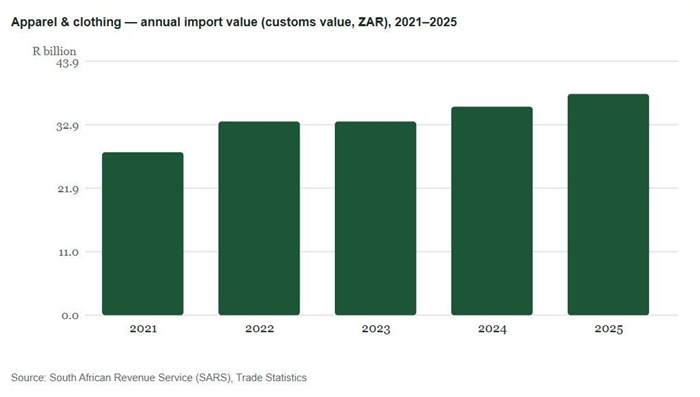
Clothing continues to dominate South Africa's cross-border online shopping basket.
Fast-fashion platforms, particularly those shipping directly from China, have made it easier for consumers to access trend-driven apparel at prices that local retailers often struggle to match.
Women's fashion, men's clothing, footwear and accessories account for a significant share of imported online purchases, driven by the combination of affordability, variety and rapid product turnover.
The growing popularity of overseas fashion retailers has intensified competition for South African apparel brands, encouraging many to strengthen their value propositions through faster delivery, loyalty programmes and locally relevant product ranges.
Electronics and gadgets continue to grow
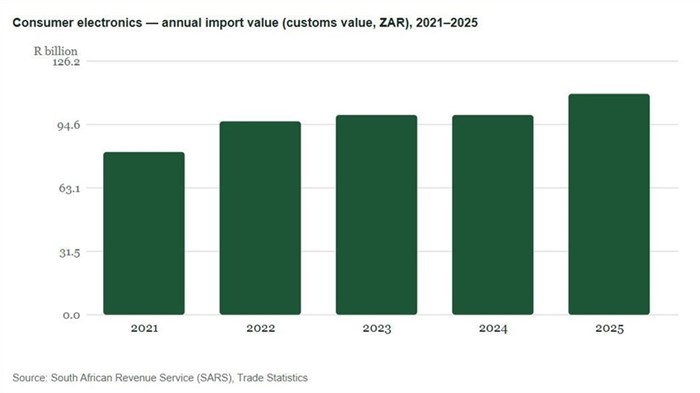
Consumer electronics remain one of the strongest-performing import categories.
Smartphone accessories, wireless earbuds, smartwatches, gaming accessories, computer peripherals, LED lighting and home technology products are increasingly being sourced from overseas marketplaces.
Many consumers are willing to wait longer for delivery in exchange for substantially lower prices or access to products not readily available through local retailers.
Beauty and personal care gain momentum
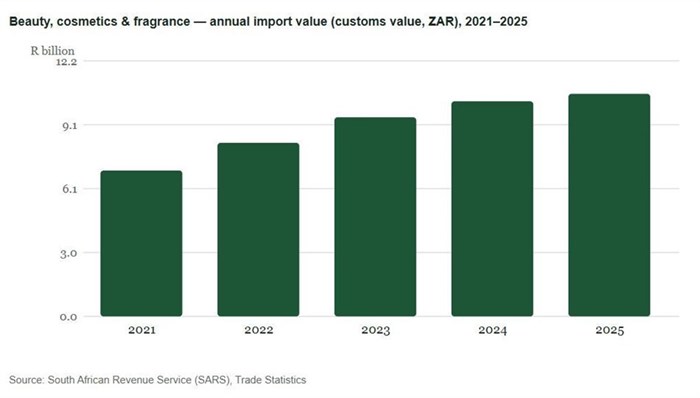
Beauty has emerged as another fast-growing cross-border category.
South Africans are increasingly purchasing skincare, cosmetics, Korean beauty products, haircare and wellness items from international sellers, attracted by broader product selections, viral social media trends and competitive pricing.
This has created new competitive pressure for local pharmacies, beauty retailers and department stores, while simultaneously expanding consumer choice.
Home and lifestyle products fill the gaps
Home décor, kitchenware, storage solutions and household accessories are also seeing strong demand.
Consumers often turn to overseas retailers for decorative items, organisation products and innovative household gadgets that may not yet be widely available locally.
The affordability of these products has helped fuel their popularity despite longer shipping times.
Hobby and niche products benefit from global access
Cross-border e-commerce has also opened access to specialist categories that traditionally had limited local availability.
These include:
- Collectibles and hobby merchandise
- Arts and crafts supplies
- Automotive accessories
- DIY tools
- Pet products
- Fitness equipment
- Outdoor and camping accessories
For many consumers, international marketplaces have become the preferred destination for highly specialised products that local retailers may not stock.
Toys and children's products remain popular
Parents continue to source toys, educational products and children's accessories from overseas platforms.
Collectible toys, learning aids, sensory products and novelty items frequently feature among imported purchases, particularly when international pricing remains significantly below local retail prices.
China dominates import sourcing
China has firmly established itself as South Africa's leading source of imported online retail products.
According to recent consumer research, 84% of South African online shoppers purchase products originating from China, well ahead of the United States (47%) and the United Kingdom (25%).
The combination of manufacturing scale, competitive pricing and increasingly sophisticated logistics has made Chinese marketplaces a major force in South African online retail.
What this means for South African retailers
While imported products continue to gain market share, local retailers still retain important competitive advantages.
Fast local delivery, trusted customer service, simplified returns, warranties, loyalty programmes and compliance with local consumer regulations remain significant differentiators that overseas sellers often cannot easily replicate.
Many South African retailers are responding by investing in omnichannel shopping, faster fulfilment, exclusive product ranges and enhanced customer experiences to remain competitive in an increasingly global marketplace.
A market becoming increasingly international
Cross-border e-commerce is no longer limited to occasional international purchases. It has become a mainstream shopping channel for many South Africans, particularly in categories where consumers prioritise price, product variety or access to international brands.
At the same time, changes to customs regulations and import requirements introduced by the South African Revenue Service are reshaping how overseas purchases are processed, placing greater emphasis on compliance while creating a more structured environment for international online trade.
As South Africa's e-commerce market continues to mature, the competition between local retailers and international marketplaces is expected to intensify, making product differentiation, customer experience and efficient fulfilment increasingly important drivers of retail success.