Something one-of-a-kind happened in May 2026 at a beauty brand launch in South Africa. There were no scripted talking points handed to influencers; instead, creators chose their own products, made content on their own terms, and left with the beginning of a long-term relationship.

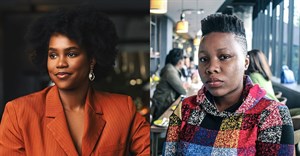
In the lead up to Cannes Lions 2026, Special Effects Media South Africa's Victoria Oyeboade says African brands need ecosystems, not just endorsements (Image supplied)
That was L'Oréalistar: House of Creatives. And it might be the clearest signal yet that the most important shift in African marketing is coming from a completely different way of thinking about who creators are.
Three weeks from now, the world's biggest advertising festival opens in Cannes with an entire programme built around exactly this idea. The gap between what happened in Sandton and what's being debated on the French Riviera is where this article lives.
In 2023, Goldman Sachs estimated the creator economy at $250 billion, climbing to $480bn by 2027, prompting Cannes Lions to launch its official creator track, Lions Creators.
But the signal that matters most from Cannes 2026 isn't the programme, it's the new award.
The Creative Brand Lion no longer rewards the best campaign, it rewards the best system.
Lions CEO Simon Cook put it plainly, "We're asking a different question: what are the inputs that make breakthrough ideas possible in the first place?"
Cannes has stopped applauding what brands produce and started recognising what brands build.
African brands need to hear that.
From why to how
The conversation has shifted from, “why work with creators?”, to “”how do we scale creator partnerships effectively?”
The answer, increasingly, is ecosystem.
Africa has the youngest population globally, with over 60% under 25. The creator economy on the continent is estimated to reach $29.84bn by 2032.
In South Africa, 99.3% of internet users access the web on a smartphone, and 75% of all video consumption happens on mobile.
This is not a market waiting to be discovered. It is a market that’s underutilised, by brands still thinking in billboards when the audience has moved to TikTok, YouTube Shorts and Instagram Reels.
Building a comprehensive ecosystem
The same thinking is visible in how global platforms are showing up.
Spotify’s sub-Saharan Africa MD, Jocelyne has been clear on their intent. “Through initiatives like Radar Africa, Spotify Equal, and our creator education workshops, we’re building a comprehensive ecosystem that nurtures artists at every career stage.
“We’re providing the tools, visibility, and industry knowledge that transforms talented musicians into global sensations”.
This is an ecosystem thinking.
Spotify isn’t getting one post from creators; they are building infrastructure around their careers.
Where is the investment?
According to a report compiled by the 1AB South Africa, SA Content Creator Charter and the Influencer Marketing Perceptions Report, 98% of marketers believe influencer marketing is worth the investment, yet less than one percent agency budgets reflect that belief.
Only 52% of South African brands have a dedicated influencer marketing budget.
Creators have something most brands don't: trust. A genuine, earned connection with their audiences.
The Humanz Influencer Marketing Benchmarks Report (2025) shows 72% of creators prioritise building long-term brand relationships above everything else.
Yet brands keep choosing influencers based on follower count and moving on after one post.
Sanesh Maharaj, head of influence at Ogilvy South Africa, is direct: "Influencers aren't chasing one-hit wonders, they're looking for meaningful collaboration."
Albert Makoeng of Nfinity puts it plainly, "Creators are treated like media placements, not collaborators. But real impact comes from partnership."
Endorsement is renting attention. Ecosystem is building equity.
What an ecosystem looks like
An ecosystem isn't a bigger campaign. It's a different structure that replaces transaction with relationship.
Vaseline Verified has global proof.
The campaign garnered over 6,000 community posts, credited the creators behind them, and turned the most popular hacks into actual Vaseline products.
Creators as co-creators, co-owners.
Vaseline's global brand director named the shift, "That shift from endorsement to ecosystem was really critical. Our role was not to control but to bring clarity."
When a brand commits to ecosystem thinking
On the continent, creators are already building institutions.
In South Africa, Thato Rampedi[4.1][4.2] started with a YouTube channel as a University of Pretoria student and built Rampedi Media.
In a LinkedIn post, he said, "There's a version of this business I almost built. A smaller, safer one. Just me. A few brand deals. No staff."
He chose to build instead. That choice is the difference between an endorsement career and an ecosystem business.
In South Africa, brands like Humanz, Webfluential and theSalt have spent years building payment rails, tools and creator education infrastructure.
L'Oréalistar is what happens when a brand commits to ecosystem thinking. The platform integrates L'Oréal brands, operates on a points-based progression system, centres creative freedom over rigid briefs, and bridges digital community with a physical Sandton City store.
Creators aren't endorsing a product, they're embedded in a portfolio with room to grow.
Ivana Poipao, senior product manager for La Roche-Posay, captured the intent at launch,"The idea is to create relationships and communities with our influencers. We need to connect on a deeper level."
L'Oréal tested this model in Europe, proved it, then brought it to South Africa, localised for African culture and community.
What African brands need to do now
The South African Content Creator Charter, endorsed by the Advertising Regulatory Board, calls for a three-way relationship of trust between marketer, influencer and consumer.
Audiences reward consistency, not just creativity.
Before your next creator brief, ask the following questions. Are you building with this creator or borrowing their audience? Is your strategy designed for how your audience actually consumes content: mobile, short-form, in their language? And what would your creator strategy look like with the same budget as your TV buy?
Cannes Lions 2026 opens in a few weeks. The world's most powerful marketing institution will spend five days telling brands to stop buying moments and start building systems.
What we need are African brands brave enough to follow the blueprint.