Underscoring growing efforts to expand financing for one of the country’s fastest-growing economic sectors, about $9.3m in loans and grants has gone to creative businesses in Kenya.
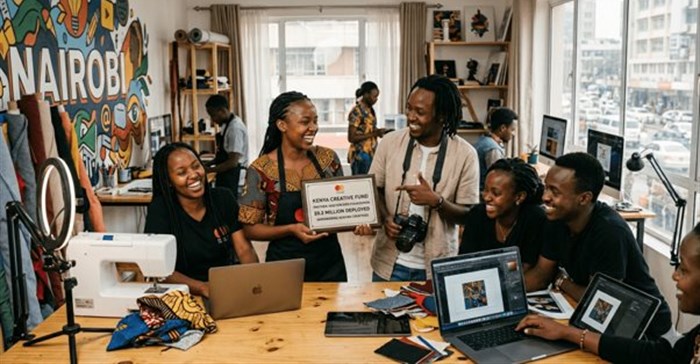
Sanra, backed by the Mastercard Foundation have granted about $9.3m in loans and grants to creative businesses in Kenya (Image @ Impact Newswire
Impact NewswireKenya’s creative economy contributes more than 5% of gross domestic product and is one of the country’s fastest-growing sectors, according to Sanara.
The programme said greater collaboration between government, investors and financial institutions would be needed to unlock the industry’s growth potential.
The $9.3m funding provides access to finance for more than 330 creative businesses, equipped over 20,000 young creatives with business and technical skills, and supported more than 3,000 startups across the counties of Nairobi, Mombasa, Nakuru, Kisumu, Kakamega and Turkana.
The financing has been through a Kenyan programme, Sanara, implemented by Heva Fund, SNDBX Ubuntu, Baraza Media Lab and GoDown Arts Centre and backed by the Mastercard Foundation.
Creative sectors investable
Demand for its Ota loan facilities has reached about 4bn shillings ($31m), highlighting unmet demand for financing in Kenya’s creative sector, the programme says.
Nearly 63% of financed businesses are led by women, while about 30% of beneficiaries are first-time borrowers, according to Sanara.
Tabitha Masese, programme manager at HEVA Fund says the creative economy is increasingly proving to be an investable sector.
“Our experience shows that when entrepreneurs have access to appropriate financing, business development support, technical skills and markets, they build resilient enterprises capable of creating jobs and contributing to economic growth.
“The insights emerging from Sanara provide practical evidence that can inform future investment, financing models and public policy.”
More attractive to investors
The programme says it is also supporting market access, mapping creative infrastructure and working with county governments to strengthen policy frameworks for the sector.
Its findings were presented at the Sanara Creative Economy Learning Forum in Nairobi, which brought together investors, financial institutions, policymakers, development partners and industry leaders to discuss financing models for the creative economy.
Sanara says its experience showed that combining commercial lending with grants, business development services and technical training helped creative enterprises become more attractive to investors.
The programme also says targeted support has expanded opportunities for women, refugees, people with disabilities and other underserved entrepreneurs.
Under its Ota Pepea market access initiative, refugee creatives from Turkana have secured buyers in Nairobi and international markets.
This article was first published by Impact Newswire written by John Mulei.