











Loyalty programmes lose value when shoppers cannot keep up

You’re sure you’ve signed up. Where is the card? You start digging around your bag and leafing through your wallet. It must be here somewhere. Maybe on your phone? Did you ever get round to downloading the store’s app?
You sigh. “No, I don’t have a loyalty card. Let’s just finish up.”
It’s a small moment in a busy day, but when it happens every time you buy something, all those lost loyalty points and forgotten rewards stack up. Think about all those trips to the supermarket, the pharmacy or the petrol garage. Whenever you abandon your search for that scratched-up card, you’re potentially leaving money on the table.
South African consumers have wholeheartedly embraced loyalty programmes – in the latest Truth & BrandMapp loyalty research, 77% of consumers say loyalty programmes influence where they buy groceries, while 41% prefer shopping at retailers where they already belong to the programme.
However, fitting them into real life is another matter. That matters because loyalty has changed. It’s not just about a free coffee with every 10 purchases – with our budgets increasingly squeezed tight, those reward points can make a real difference to your financial planning and shopping habits.
You might think it’s only a few points, but the reality is that loyalty works a lot like compound interest. One forgotten scan doesn’t amount to much, but a year’s worth of missed discounts and rewards is a different story.
But forgotten cards are only part of the problem. Rewards also slip through the cracks.

When we can't remember which retailer has which programme, don't want to download yet another app, or simply don't have the time or headspace to keep track of multiple loyalty schemes. None of these feels significant in isolation, but together they create enough friction for consumers to miss out on value they had every intention of earning.
The issue is that loyalty has become surprisingly difficult to manage. As consumers face increasing financial pressure – and rewards programmes grow more attractive – we have not one programme, but many. And each of these programmes has its own card, app, barcode or login.
Rather than making loyalty simpler, we've gradually added more layers of complexity and friction to something that's supposed to make life better for us.

The real value of rewards lies beyond the transaction
It's a challenge we've seen first-hand through (my)cards, where many users tell us they don't need more loyalty programmes – they simply need an easier way to manage the ones they already belong to. The average consumer belongs to nine different loyalty programmes. Managing them – not joining them – has become the real challenge.
Making loyalty easier to use makes saving easier.
For years, the conversation around loyalty has focused on bigger rewards, richer benefits and signing consumers up to more programmes. But I believe the next evolution of loyalty isn't about offering more – it's about removing the friction.
The brands that will win are those that make earning and redeeming those rewards feel effortless. We've already seen this happen in banking, where digital wallets and contactless payments have transformed everyday transactions, and we can expect loyalty to follow the same path. Consumers don't want to think about loyalty every time they shop. They simply want it to work.
The research already points in this direction, with 45% of consumers now using virtual loyalty cards because they're more convenient and accessible. People increasingly expect everyday experiences to be seamless, and loyalty should be no different.
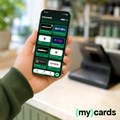
At (my)cards, that's the challenge we're working to solve. Not by asking consumers to join another loyalty programme, but by helping them get more value from the programmes they already use. People want the rewards they’re entitled to without carrying a wallet full of plastic or swiping through a dozen retailer apps at the checkout.
Having all your loyalty cards in one easily accessible place makes it so much easier to collect those points and reap the rewards. That’s how you can turn the loyalty you’ve already earned into savings you can actually use.