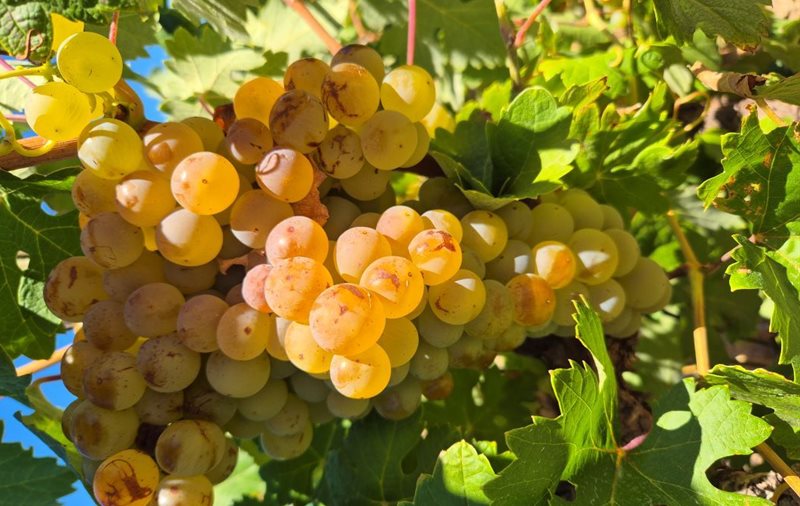
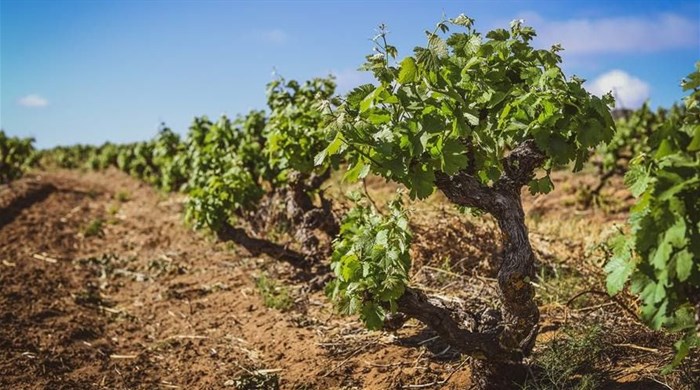
South Africa's old-vine movement continues to uncover remarkable stories from the country's vineyards, and the latest comes from the mountains above Citrusdal.
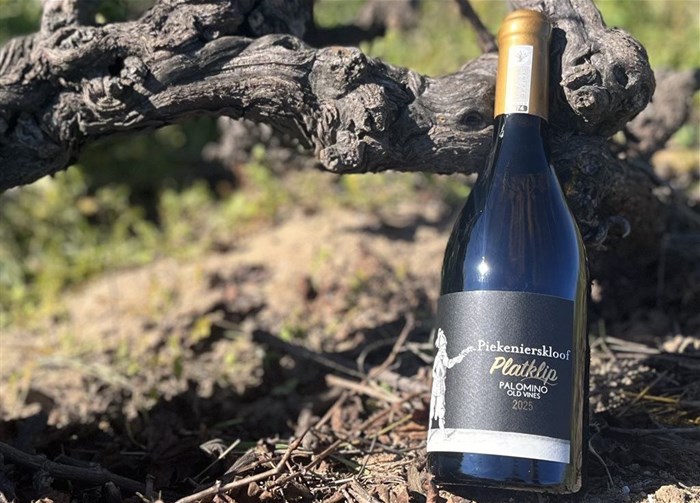
Image supplied.
Piekenierskloof Wines has released a limited-edition Palomino made from vines planted more than 50 years ago, offering a fresh perspective on a grape variety more commonly associated with fortified wines than premium still wines.
An old cultivar with a new chapter
Palomino has been part of South Africa's wine history for centuries and is believed by some historians to have been among the earliest grape varieties planted at the Cape. While it has traditionally been used in the production of brandy and sherry-style wines, single-varietal Palomino bottlings remain exceptionally rare.
That rarity is reflected in the country's vineyards. Of South Africa's approximately 5,400 hectares of heritage vineyards, only around 81 hectares are old-vine Palomino, making releases such as this an unusual sight.
The new wine joins Piekenierskloof Wines' Heritage Vineyard collection, which celebrates some of the country's oldest surviving vineyard sites.
A vintage that stood out
The 2025 growing season is regarded by the winery as one of the strongest in recent years, producing fruit with notable balance and purity.
Harvested by hand during the cool early morning hours, the grapes were gently handled to preserve freshness before fermenting in concrete tanks. The wine then spent six months maturing in older French oak barrels, allowing the fruit to remain the focus.
Only free-run juice was used during production, resulting in a wine that showcases subtle aromatics and a crisp, mineral-driven style.
A vineyard shaped by the mountain
The wine comes from dryland bush vines planted in 1974 on the Piekenierskloof plateau, roughly 160km north of Cape Town. Growing without irrigation, the vines rely entirely on natural rainfall while their deep root systems draw moisture and nutrients from the mountain soils.
These low-yielding old vines produce small, concentrated berries, contributing to wines with depth and structure.
The vineyard also has an unusual backstory. When the vines were originally planted, their rows were laid out unevenly while owner Carel van Zyl was away completing national service. Although there were initial plans to replant the block, it was ultimately left untouched.
The irregular planting pattern remains visible today from a nearby sandstone outcrop known as Platklip, the landmark that gave the wine its name.
Small production, growing interest
With only 713 bottles produced, the release highlights the increasing focus on South Africa's old-vine vineyards and the diversity they continue to offer.
As consumers show growing interest in heritage vineyards and lesser-known grape varieties, wines such as this demonstrate how historic cultivars can find renewed relevance through careful vineyard management and modern winemaking.