Nanol's patented lubrication additive, based on nanotechnology, was originally developed for fuel saving and wear protection in marine engines and industrial applications.
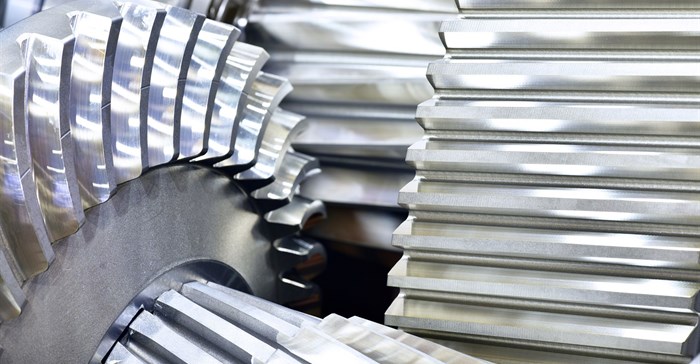
Gear boxes in different industries are applications which can benefit from Nanol’s additive, as it reduces the wear of metals. © Nanol
The latest testing now shows that the additive has additional positive properties and can prevent so-called hydrogen embrittlement. Hydrogen embrittlement is the process by which metals such as steel become brittle and fracture when in contact with hydrogen. It is a serious issue in several applications, and the newly demonstrated property opens completely new areas of use for the additive. So far, it's mainly been used by shipping companies in marine engines and power plants.
The testing was conducted by a leading manufacturer of ball bearings. Further testing was also carried out at Fraunhofer Institute by Professor Dr Matthias Scherge.
“The latest research has added new features to the scientific picture of Nanol. Nanol must be considered a package with multi-functional properties including viscosity index improvement, friction modification, anti-wear properties as well as protection against hydrogen embrittlement”, states Scherge.
“We are now starting to penetrate new customer segments. Hydrogen embrittlement is a severe problem in for example wind power turbines. By using Nanol, the lifetime of components can be extended and service intervals prolonged”, says Johan von Knorring, founder and CEO of Nanol Technologies.




