



Top stories


ESG & SustainabilityWoolies supplies SA schools with reliable water access as El Niño approaches
2 hours

More news


Energy & Mining
World Energy Day | Why South Africa’s roads should run on sunshine
Joubert Roux 3 hours


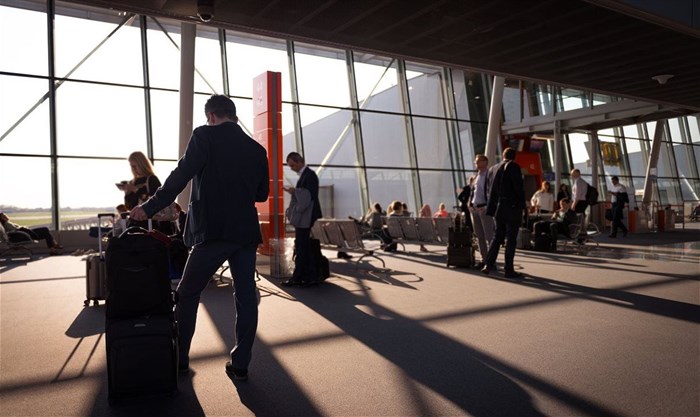
According to Corporate Traveller South Africa, asking the right questions before departure can help business travellers prepare for unexpected disruptions and make more informed travel decisions.
Before booking, business travellers should confirm that their insurance will remain valid if travel advisories change.
As Herman Heunes, general manager of Corporate Traveller South Africa, explains, government travel advisories can have a significant impact on travel cover.
"If you travel to a destination against official government 'Do Not Travel' warnings, insurers typically void your coverage for trip cancellations and medical emergencies related to the advisory," says Heunes.
The timing of a travel advisory is equally important. If a severe advisory is issued before a trip is booked or insurance is purchased, cover may no longer apply.
"The advisory level at the time of departure determines a lot," says Heunes. "Travellers who fly to a destination under an active advisory without checking their policy first can find themselves personally liable for medical, evacuation and repatriation costs that run into the hundreds of thousands."
Travellers should also confirm any destination health requirements, including vaccinations or screening procedures, before departure.
Knowing that a trip has been approved is not the same as knowing exactly where a traveller is during a rapidly changing situation.
Businesses should ensure traveller profiles and itineraries remain up to date and understand what visibility their travel management company has throughout the journey.
Heunes also recommends registering international travel with the Department of International Relations and Cooperation (DIRCO). The registration system enables the South African government to identify and assist citizens if coordinated evacuations become necessary.
Country-wide travel advisories provide a useful starting point but may not reflect conditions in the specific city or region being visited.
A localised outbreak may present a very different level of risk from conditions elsewhere in the same country.
"Partnering with a TMC that has a global footprint means you can access current, on-the-ground information and local support whenever you need it," says Heunes. "Networks are a powerful advantage when it comes to duty of care."
Travellers should understand exactly what happens if circumstances deteriorate while they are away.
That includes knowing who authorises an evacuation, whether a 24-hour emergency support line is available and who should be contacted if borders close or travel restrictions change.
"The companies that manage crises well have done the thinking before the crisis, not during it," says Heunes. "For smaller travel programmes, this is where a good TMC earns its keep – having those protocols already in place, already tested, so the traveller isn't piecing it together from a hotel room."
If no documented escalation process exists, travellers should ask their travel management company to explain how an emergency would be handled before they leave.
Flexible airfares and clear company travel policies can become critical if travellers need to return home sooner than planned.
Before departure, travellers should confirm whether airline tickets can be changed, whether their employer will cover any additional costs and whether their insurance includes trip curtailment.
It's also worth clarifying upfront who has the authority to make the call – whether the decision to abort a trip rests with you, your line manager, or someone further up the chain. In a crisis that moves fast, that ambiguity costs time.
"Business travel is how small and medium businesses compete," says Heunes. "It's how you close deals, build relationships and show up in markets where presence still matters. The goal is never to stop travelling; it's to travel in a way that's informed, protected and sustainable. Ask the right questions before you fly, and you can do exactly that."
