













Related


Top stories


More news

Legal
AI, fake news, and free elections: How SA is tackling digital disinformation
Vanessa Jacklin-Levin 13 hours


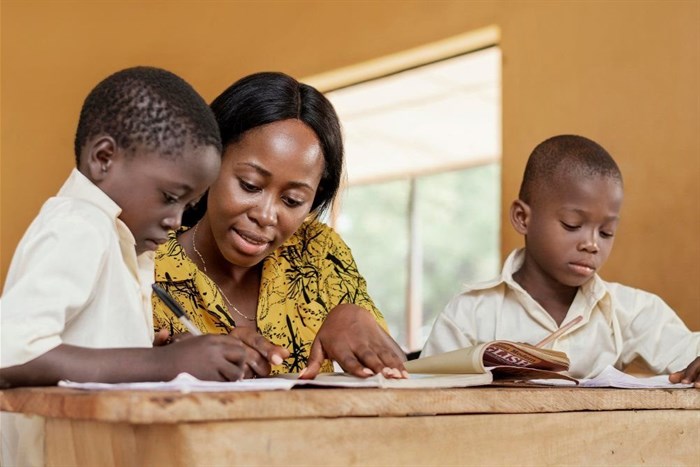
Zayd Waghid and Yohana William’s book Preparedness to Teach draws on research between 2015 and 2018 into pre-service teachers’ beliefs, motivations and professional identities, and offers some ideas (which Prof Waghid sets out here) about improving teacher training. Their study involved 324 student teachers – 212 in first year and 112 in fourth year – from two historically disadvantaged universities in South Africa. The research is still relevant today as it captured the formation and development of student teachers’ beliefs, motivations and professional identities over time.
First, there is a persistent gap between the theoretical knowledge taught at universities and its practical application in schools. Teacher education curricula generally focus on what to teach, how to teach (including using basic tools), learning through teaching practice, and being aware of the conditions in schools. However, many student teachers still feel unprepared to deal with classroom realities and the wider societal conditions that shape teaching. This disconnect can leave them disempowered in schools.
One of the student teachers we interviewed noted that although modern teaching approaches were taught at university, these were not always accepted in certain government schools.
Secondly, there are challenges of language and multilingualism in diverse classroom contexts. The Language in Education Policy promotes multilingualism and affirms learners’ rights to access education through the official languages in South Africa. But teacher education programmes have been criticised for inadequately preparing student teachers to develop learners’ reading abilities in their home languages. And research shows that African children are most disadvantaged when they do not develop a strong foundation in their mother tongue and are taught in another language.
Thirdly, the power imbalance between universities and schools means that teacher education curricula are designed without consulting current teachers in schools. This has certain implications for the way future teachers are prepared for schools. The book argues that this model works against genuine, mutual co-creation of knowledge.
Fourth, heavy workloads, large classes, learner discipline, weak parental support and limited school resources can weaken motivation and confidence among student teachers. By the fourth year, most student teachers in the study saw teaching as stressful: 76% at one university and 85% at the other agreed or strongly agreed.

These shortcomings and challenges can be expected to have an impact on the quality of primary education, which is critical for both individual and societal development.
Addressing these issues is vital for transforming an education system shaped by historical inequality, into one that is more equitable, capable of preparing, supporting and retaining high-quality teachers.
The number of graduates studying teaching increased by more than 200% over the ten years between 2011/12 and 2020/21.

In a full-time Bachelor of Education programme in South Africa, student teachers must spend a minimum of 20 and maximum of 32 weeks in teaching practice in schools. What we found in the study, was that one student teacher’s positive experience during teaching practice helped her “fall in love” with teaching and strengthened her sense that she was prepared to become a teacher. Teaching practice was a turning point in shaping her identity as a teacher – which is a useful insight.
Mentorship is vital in helping student teachers build confidence and commitment during teaching practice. This is why regular feedback between universities and in-service teachers as mentors during and after teaching practice is critical in further strengthening student teachers’ experiences.
This article is republished from The Conversation under a Creative Commons license. Read the original article.

The Conversation Africa is an independent source of news and views from the academic and research community. Its aim is to promote better understanding of current affairs and complex issues, and allow for a better quality of public discourse and conversation.
Go to: https://theconversation.com/africa