South Africa’s coastal property market is undergoing a shift as buyers increasingly seek more than traditional residential ownership. Driven by semigration, remote working and changing lifestyle expectations, developers are exploring hospitality-integrated models that combine living, income generation and professional management.
Source: Supplied.
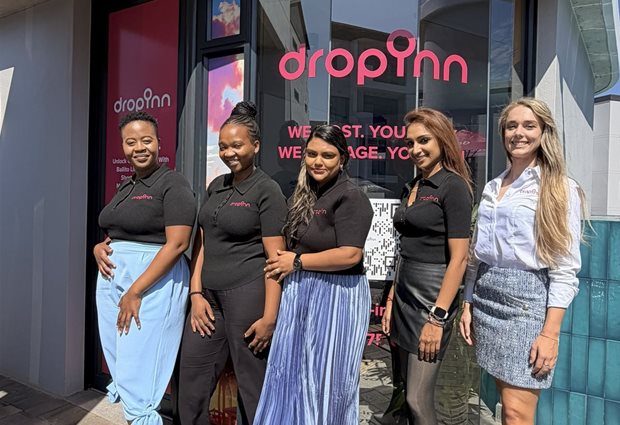
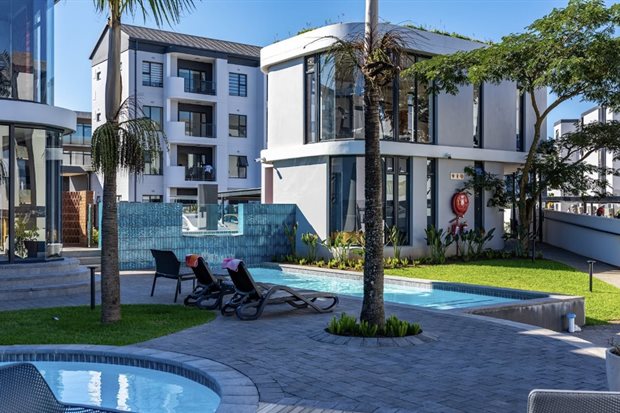
On KwaZulu-Natal’s North Coast, Arcis Property Development’s Ballito Life estate is pioneering this approach through its DropInn hospitality solution, creating an ApartHotel model designed to meet evolving investor and resident needs while reshaping expectations around residential development.
The decision was driven by market observations rather than theory.
“During the delivery of their first development, Ballito Village, we identified growing demand for professionally managed short-stay accommodation from business travelers, remote workers, relocating families and semigrants exploring the region before making a permanent move.
"What initially emerged as a practical response to accommodation demand soon revealed a broader shift in consumer behaviour," explains Arcis sales and marketing director, Andrea Santoriello, about the innovative introduction by Arcis of DropInn for investors.
According to Santoriello, buyers are increasingly no longer viewing property purely as a place to live or as a traditional buy-to-let investment. They are seeking assets capable of serving multiple purposes simultaneously that include personal use, income generation and long-term capital growth. This evolution reflects wider changes occurring across South Africa's residential market.
Responding to a more flexible buyer market
Semigration continues to reshape coastal regions such as Ballito, with professionals and families relocating from major metropolitan centres in search of improved lifestyles, better schools, enhanced security and greater flexibility.
According to Rainmaker Marketing's North Coast Property Market Report, the region has averaged 193 new families relocating there every month since 2011, while nationally, 27% of South African home sellers bought in a different province in 2024, up from just 16% in 2019.
Source: Supplied.
Many prospective residents spend weeks or months experiencing an area before committing to a permanent move, creating sustained demand for quality short-term accommodation that extends well beyond the traditional holiday market. At the same time, remote and hybrid working models have created a new category of travellers.
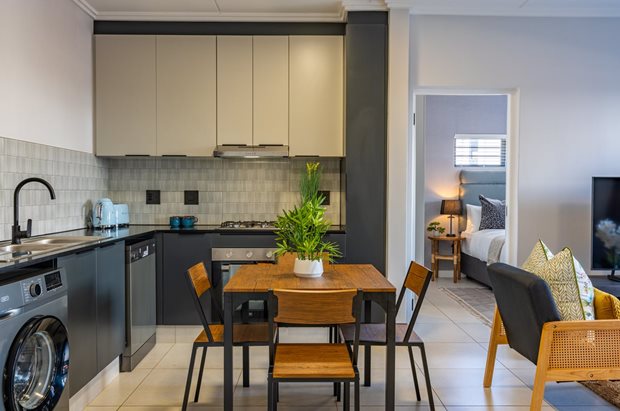
These individuals require accommodation that offers the comfort and functionality of a home, while retaining the convenience and service levels associated with hospitality.
For developers, these changing patterns present both a challenge and an opportunity. The challenge lies in moving beyond the traditional model of simply delivering residential units. The opportunity lies in creating integrated communities that generate value long after construction is complete.
Creating long-term value beyond the build
Hospitality-led infrastructure has become one way of achieving this. Professionally managed accommodation platforms, co-working facilities, lifestyle amenities, and service-driven environments help activate developments while creating additional revenue opportunities for investors. Importantly, these benefits extend beyond short-term guests.
Developments that maintain hospitality-level standards often experience stronger upkeep in common areas, greater amenity utilisation and a more consistent overall resident experience.
The result is an environment that can support both lifestyle appeal and long-term asset value. This is particularly relevant as competition intensifies across South Africa's residential development sector.
Source: Supplied.
Buyers are becoming increasingly sophisticated, evaluating developments not only regarding location and pricing, but also on the broader ecosystem of services, experiences and income-generating opportunities available within a community.
Where residential living and hospitality converge
The trend is already evident internationally, where the lines between residential living, hospitality and flexible accommodation continue to blur. South Africa appears to be following a similar trajectory.
For Arcis, the hospitality component at Ballito Life is not simply about accommodation management. It represents a broader belief that future residential developments will need to deliver far more than homes.
As buyer expectations evolve, the developments that succeed are likely to be those that recognise property as part of a wider lifestyle and investment ecosystem; one where ownership, flexibility, community and income generation increasingly exist side by side.
Source: Supplied.
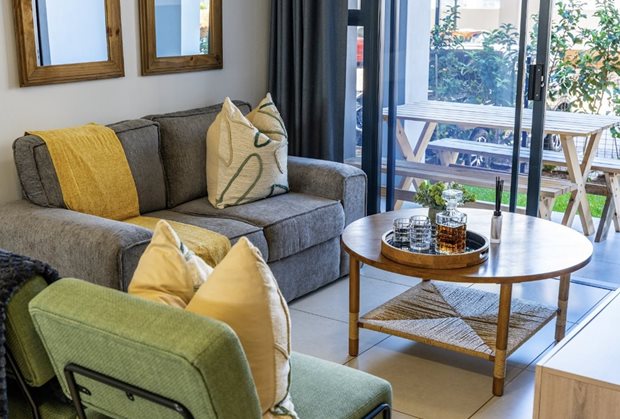
Santoriello says, “Arcis was early to hospitality-integrated residential development on the North Coast, and the market is now moving in the same direction. Through DropInn, investors get the returns of short-term rental income without the day-to-day management burden, while the estates themselves benefit from consistent standards and professional oversight long after handover.
"We believe strongly enough in the model that we're now extending DropInn beyond Arcis-built developments.”
At Ballito Life, that future is already taking shape, offering a new model of ownership where property works harder, lifestyles become more flexible, and hospitality becomes an integral part of everyday living. With a limited number of apartments remaining, the window to become part of this pioneering model is narrowing.




