










Top stories

Marketing & Media#AfricaMonth: The Case for Africanising AI in public relations
Phozisa Mkele 20 May 2026


Marketing & MediaEx-TikTok and L’Oréal Luxe CMO Deshnie Govender launches culture Studio 545
Studio 545 1 Jun 2026

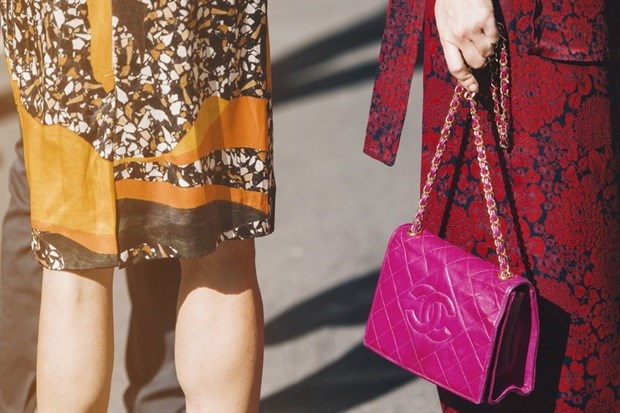
In a statement to WWD, Chanel president Bruno Pavlovsky explained that it was becoming increasingly difficult to source skins that met the house’s quality and ethical standards.
Instead, the privately held company plans to focus research and development on "a new generation of high-end products" generated by “agri-food” industries. “The future of high-end products will come from the know-how of what our atelier is able to do,” said Pavlovsky.
The executive told WWD that it would take some time for existing products in exotic skins to work their way out of its boutique distribution.
Papermag's Matt Moen weighed in stating that switching to fur and animal skin alternatives can have a positive impact on Chanel's carbon footprint.
"It's fiscally prudent as well given that the prices of animal products are subject to scarcity and tariffs, opting for a synthetic alternative can in the long run prove to be a more stable source," Moen said.
Chanel joins a growing list of luxury fashion brands, including Versace, Burberry and Jean Paul Gaultier that have banned animal fur from future collections.