





VML Birdwatching at the Loeries | The Loeries a great stage for SAT
Danette Breitenbach


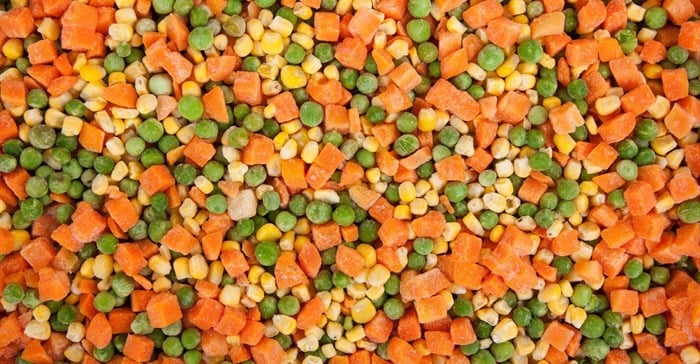
The review followed the previous rejection by the former Minister of Trade, Industry and Competition of an application by Nature's Garden (Pty) Ltd to increase the duty from 10% to 37% ad valorem.
ITAC said global and domestic economic factors continue to shape the frozen vegetable market. International events, including the Covid-19 pandemic and the Russia-Ukraine conflict, have contributed to ongoing food price volatility.
At the same time, local food inflation and constrained household incomes have placed pressure on consumers, particularly lower-income groups.
The commission noted that both domestic production and demand for frozen mixed vegetables declined between 2018 and 2022, largely due to electricity supply constraints and load shedding. Despite this, the domestic industry has maintained its market share, supported by a recent price advantage over imports.
Import trends also shifted during the review period. While the European Union previously dominated imports into the Southern African Customs Union (Sacu) market, volumes from the bloc, particularly Belgium, gradually declined.
Overall import levels have decreased, indicating that import competition is not the primary driver of the challenges facing the domestic industry.
ITAC's impact assessment found that increasing the duty would disproportionately affect lower-income households by raising food costs and reducing affordability, while providing limited benefit to domestic producers.
In light of these findings, the commission recommended that the current customs duty of 10% ad valorem be maintained.
ITAC said it will continue to monitor import trends and market developments and may review the duty structure should significant changes occur.
The commission's final determinations and recommendations are contained in Notice 4014 and Report 733.


