Construction companies are being urged to prepare for possible disruptions ahead of planned demonstrations on Tuesday, 30 June 2026, with MDA Attorneys warning that unrest linked to the employment of foreign nationals could threaten project delivery.
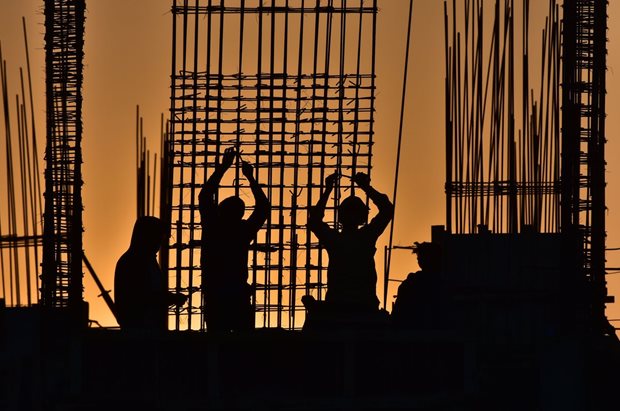
Source: Pexels.
The construction law specialist says sites are particularly exposed because they are visible, physically open and embedded within communities. With main contractors, subcontractors, labour brokers and temporary workers operating side by side, any disruption could affect access, deliveries, productivity and project timelines, creating contractual risks for contractors.
"If sites are disrupted, contractors could face delays, blocked access, property damage and costly disputes, as seen during the July 2021 unrest in KwaZulu-Natal and Gauteng, as well as ongoing construction mafia activity," says Odette Potgieter, MDA Attorneys director.
These events left contractors dealing with site closures, blocked or late deliveries, damaged property and long delays.
“Contractors were concerned about project profitability. They needed to establish whether they could claim extra time or costs from employers and insurers, and whether force majeure clauses covering events beyond their control were applicable.
"Contractors who had clear procedures, proper records and contract compliance got through it in far better shape, and a key element was giving the right notices, in time, to support claims," Potgieter says.
What contractors should do now
Contractors should prioritise the following actions to strengthen site preparedness before demonstrations:
- Check that employment and contractor records are complete and up to date
- Confirm subcontractors have taken on responsibility for their own compliance, in writing
- Make sure site staff know who is legally allowed to request documents or access
- Establish clear site protocols
- Appoint one person to handle any engagement with outside groups
- Brief security teams on what to do and who to call if something happens
- Start keeping detailed records now: site diaries, photos, correspondence, programme updates and delivery records
- Engage clients
If disruption does happen
Depending on the contract, contractors may have the right to extra time, compensation or even pausing the work altogether but only if the right steps are followed, often within tight deadlines.
Most standard construction contracts set strict timelines and procedures, so missing deadlines can mean losing a valid claim altogether. Keeping clear records, early engagement with clients and keeping stakeholders updated as events unfold puts contractors in a far stronger position.
"The contractors who come out of situations like this are rarely the ones who react well on the day," Potgieter says. "They're the ones who saw it coming, knew their risks, and had already taken practical steps ahead of the potential risk."




