Any person or individuals who incite people to unlawfully occupy land could stand to be fined R2m or face imprisonment for up to two years, or both.
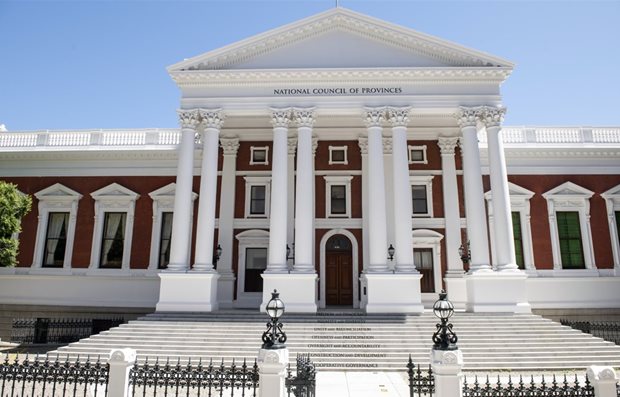
Source: Supplied. The National Council of Provinces.
That's if the proposed Prevention of Illegal Eviction from and Unlawful Occupation of Land (PIE) Amendment Bill is enacted. The Department of Human Settlements (DHS) has now extended the public-comment period on the Bill by a month following requests from stakeholders.
In a government gazette, the department extended the deadline for submissions by 30 days from 26 June 2026, after receiving requests from organisations and members of the public for more time to comment.
The DHS said it had already received a substantial number of submissions but wanted to encourage maximum public participation on legislation it believes is critical to addressing unlawful land occupations.
The proposed amendments are intended to strengthen the existing Prevention of Illegal Eviction from and Unlawful Occupation of Land Act of 1998 (PIE Act) by making it easier to interpret and enforce, while giving municipalities, state entities and private property owners stronger legal tools to respond to illegal occupations.
Deterring illegal occupations
One of the Bill's most significant proposals is the creation of a new offence targeting anyone who incites or organises unlawful land occupations, regardless of whether money changes hands.
If convicted, offenders could face a fine of up to R2m, imprisonment for up to two years, or both. The proposed offence would apply irrespective of whether the occupied property belongs to the state or a private owner.
The Bill was approved by Cabinet in April 2026 and published for public comment later that month. It follows growing concern over unlawful land and building occupations, which government says have placed increasing financial and administrative pressure on both the public and private sectors.
According to the department, inconsistent interpretation of the existing legislation has contributed to lengthy court proceedings, escalating legal costs and uncertainty in the handling of eviction matters.
Other key proposals:
In addition to the new offence, the Bill proposes:
- Courts may order the forfeiture of assets or money acquired through offences related to unlawful occupation.
- Expanding the definition of a "person in charge", allowing municipalities to apply for urgent interdicts even where they are not the landowner.
- Giving courts discretion to determine how long alternative accommodation or land should be made available to unlawful occupiers before an eviction is carried out.
- Allowing courts issuing eviction orders to direct the retention, demolition or removal of structures and other improvements erected on unlawfully occupied land.
The department had originally planned to return the revised Bill to Cabinet by July 2026 before tabling it in Parliament later in the year. However, the extended consultation period is expected to delay that timeline.