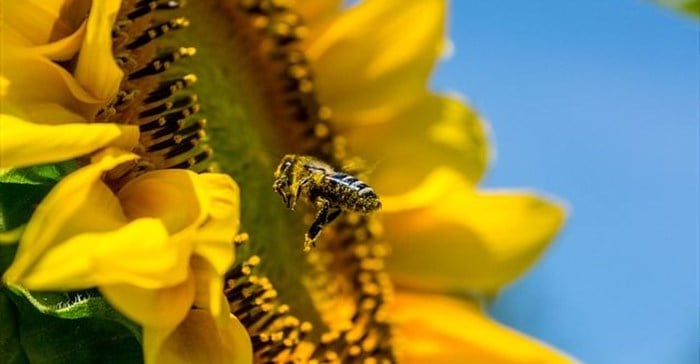
Agriculture Minister John Steenhuisen has called for pollination to be recognised as a productive agricultural asset, arguing that stronger investment in pollinators and the beekeeping industry will be critical to improving food security, agricultural productivity and South Africa's global competitiveness.
Speaking at the South African Bee Industry Organisation's (SABIO) BEECON 2026 conference, Steenhuisen said pollination has become one of the productive assets that quietly determine the success of many of South Africa's highest-value agricultural industries.
"The contribution that pollinators make to South African agriculture extends far beyond the hive."
He said managed bee colonies support crops including citrus, apples, pears, macadamias, avocados and berries, helping producers meet the quality standards required by international export markets.
"Too often, we treat it as though it is a specialist service sitting alongside commercial agriculture. In reality, it forms part of the production system itself."
According to Steenhuisen, healthy pollinator populations contribute to improved fruit set, higher-quality produce, more consistent yields and stronger returns throughout the agricultural value chain.
Honey industry presents growth opportunities
Steenhuisen said the latest trade figures point to growing opportunities for South Africa's honey industry.
Between January and April 2026, South Africa exported approximately R11.9m worth of natural honey, around 35% more than during the same period last year.
Botswana remains South Africa's largest export market for honey, while Lesotho, Eswatini, Mozambique and Namibia continue to provide important regional demand.
However, South Africa remains a net importer of honey. During April alone, imports exceeded R18m, compared with exports of about R3m, with China continuing to dominate import volumes.
"For me, however, those figures are not primarily a trade story. They are a productivity story."
Steenhuisen said expanding domestic production would depend on healthy bee populations, sufficient forage, disease management, commercial investment and protecting the integrity of the honey market.
Beekeeping can support rural development
The minister said the industry's future growth should extend beyond honey production to include commercial pollination services, queen breeding, nucleus colony production, technical advisory services and other value-added products.
He added that beekeeping offers an accessible entry point into agriculture for young people, women and rural entrepreneurs.
"With the right technical support, mentorship and access to markets, it provides opportunities to build sustainable enterprises that contribute both to household incomes and to the wider agricultural economy."
Research and investment remain key
Steenhuisen said closer collaboration between researchers, producers and industry would remain essential to improving honeybee health, disease surveillance and long-term sector competitiveness.
He argued that recognising pollination as productive agricultural infrastructure would encourage greater investment, research and long-term planning across the agricultural sector.
"It is not simply about producing more honey."
"It is about strengthening the productive systems that allow South African agriculture to compete with the very best in the world."