



Top stories


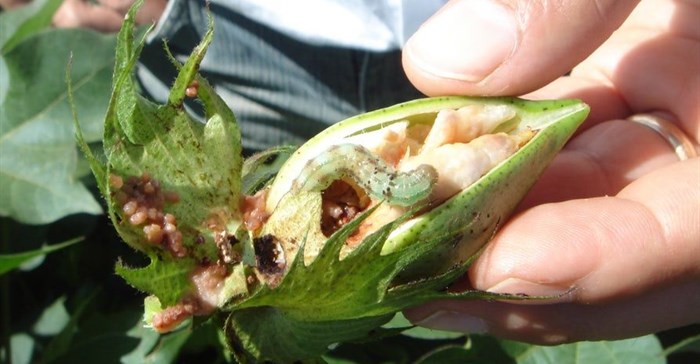
Helicoverpa armigera, commonly known as the cotton bollworm, and Helicoverpa zea, the corn earworm, are two types of very hungry caterpillar that cause billions of dollars of damage to crops every year. Corn, cotton, tomato and soybean are just some of the many crops these pests can attack, with the cotton bollworm having developed resistance to all pesticides targeted at it.
In 2017, an eight-year project that mapped the entire genome of both caterpillars was completed. The study was designed to help researchers identify specific genes that cause the pests to become resistant to pesticides. A new paper has now been published showing evidence that the two moths are clearly hybridising in a variety of novel ways.
Continue reading the full article on New Atlas.

New Atlas is about the amazing potential of human endeavour. From DNA-scanning smartphones to the latest advances in autonomous transport, New Atlas examines how new discoveries, products and technological innovations affect our ability to interact with and understand the people around us and the world we share.
Go to: https://newatlas.com/