
Training
Spar says retailers can help tackle SA's youth employment crisis
Brigitte Da Gama 30 Jun 2026
 |
UJ study says South African retail needs better leadership trainingAs South Africa's retail sector undergoes rapid digital transformation, new research from the University of Johannesburg (UJ) warns that a shortage of leadership skills - not technology — is emerging as one of the biggest threats to the industry's future. 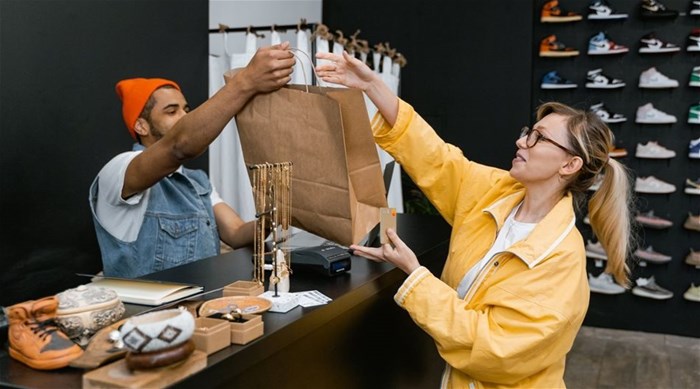 Photo by Mart Production via www.pexels.com Employing almost one in five working South Africans, contributing 11.5% to the country's GDP and generating more than R1.1tn in annual sales, retail remains one of the country's most important economic sectors. But researchers argue that unless retailers and higher education institutions rethink how they prepare future leaders, businesses risk widening the gap between graduate expectations and workplace realities. The findings, published in the research article Building a Sustainable Retail Future: Evidence-based Strategies for Transforming Leadership Education in South Africa and underpinning the doctoral research of Dr Mariette Frazer from UJ's College of Business and Economics, highlight an urgent need to modernise retail skills development. The retail skills challengeWhile South Africa produces graduates with technical retail knowledge, many enter the workforce unprepared for the leadership responsibilities that define today's retail environment. "The actual work itself is not being related to them, or they're simply not prepared," one retail HR specialist interviewed during the research explains. "It's a huge shock to their system when they arrive in the workplace." Dr Frazer says retail is evolving faster than traditional education models can keep pace. "The sector is changing so quickly, and young people are often left disillusioned in their first jobs despite graduating from higher education retail programmes." The result is an expensive challenge for retailers, many of whom invest significant resources in developing graduates after they enter the business. Based on Dr Frazer's experience working with graduate development programmes at major retailers including Massmart and Pick n Pay, businesses typically spend between R60,000 and R100,000 per graduate on additional leadership and workplace training during onboarding. Training Spar says retailers can help tackle SA's youth employment crisisBrigitte Da Gama 30 Jun 2026 Leadership skills now matter as much as technical knowledgeThe research argues that future retail leaders require far more than merchandising, operations or sales expertise. Instead, employers increasingly value emotional intelligence, resilience, communication skills and the ability to lead culturally and generationally diverse teams. Professor Magda (Lia) Hewitt, Professor Emeritus in UJ's Department of Industrial Psychology and People Management, says leadership education cannot simply adopt international models without considering South Africa's unique environment. "One of the greatest mistakes we can make is to assume that retail leadership is universal," she says. "South African retail operates within a unique social and cultural context." Graduates interviewed during the study described managing employees significantly older than themselves, navigating workplaces where respect is strongly linked to age, and leading teams with vastly different levels of digital literacy. In some communities, even opening a new retail store requires engaging with traditional or community leaders before trading begins—realities that are rarely addressed in formal retail education. Digital retail is changing leadershipThe study also highlights how e-commerce and omnichannel retail are reshaping leadership requirements. Online shopping continues to grow, while retailers increasingly blend digital and physical shopping experiences through services such as click-and-collect and rapid delivery. Dr Frazer points to hybrid models like Checkers Sixty60 as examples of how retail leadership is becoming more complex.  "Online will never replace the physical store, but it will substantially change the way retailers operate." |