For years, South Africans have judged football success through a remarkably narrow lens.
Did Bafana Bafana qualify or not?
Every qualifying campaign ultimately boils down to that one question. We celebrate when the answer is yes. We despair when it is no. Entire eras of South African football are often remembered simply by tournament appearances or the absence thereof.
But perhaps we have been measuring success incorrectly. Because the true value of football does not begin when a team steps onto the pitch. Nor does it end when the final whistle blows.
The real value lies in what happens when a nation qualifies.
When Bafana Bafana secured qualification for the Fifa World Cup 2026™, South Africans did not simply earn ninety minutes of football against the world's best. The country unlocked something far more significant: a collective national experience.
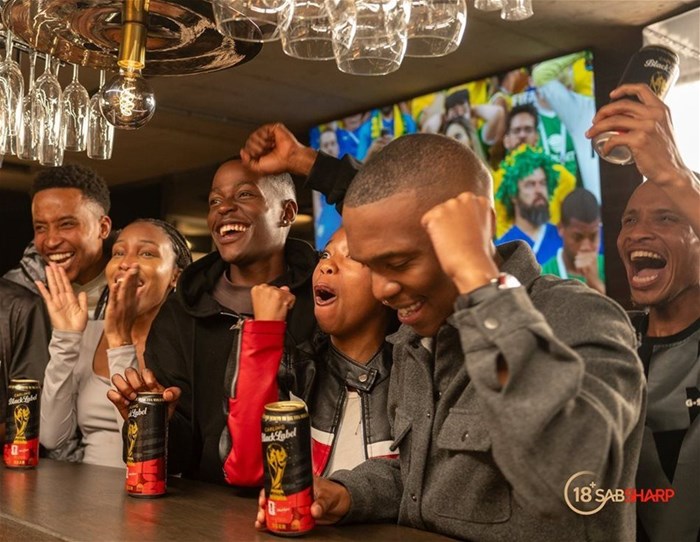
Almost instantly, conversations shifted. Predictions, debates and friendly rivalries resurfaced in homes, workplaces, and local retailers. Flags appeared on car windows. Jerseys came out of cupboards. Strangers found common ground.
Few institutions in South Africa possess football's ability to create social cohesion at scale.
In a society often divided by geography, economics and circumstance, football remains one of the rare spaces where millions of people experience the same emotions at the same time. It creates moments of shared identity and national pride that extend far beyond the game itself.
And importantly, those moments generate tangible economic opportunity.
Every major football tournament activates an ecosystem far larger than the players on the field. Retailers prepare for increased foot traffic. Local retailers and restaurants become gathering places. Hospitality venues and neighbourhood businesses experience heightened demand as supporters come together to watch and celebrate.
Football's biggest moments therefore become economic moments too.
This is particularly significant in South Africa, where small businesses and retailers form a vital part of local communities and economic participation. When football thrives, entire value chains benefit.
For South African Breweries (SAB), this broader impact has shaped its longstanding investment in football for more than three decades.
Through partnerships with Bafana Bafana, the Premier Soccer League and football platforms across the country, SAB's role has always extended beyond sponsorship rights or branding visibility. The focus has been on enabling the experiences that surround the game: creating spaces for supporters to connect, investing in retailers that serve communities, and helping ensure that football's biggest occasions create lasting value long after the final whistle.
As South Africa returns to football's grandest stage, SAB is supporting more than 20,000 retailers during the Fifa World Cup period, building on investments of over R544m in retailer development since 2021. These investments help local businesses prepare for increased demand and deliver memorable experiences for consumers during the tournament.
Yet creating unforgettable experiences also carries responsibility.
Major sporting occasions should bring people together safely and responsibly. As fans gather across multiple venues and time zones during the tournament, responsible consumption becomes essential to preserving the positive social impact football can create.
Ultimately, perhaps football success should no longer be measured solely by qualification tables, tournament progression or silverware.
Perhaps the more important question is this:
What happens when football brings a nation together?
If qualification creates connection, stimulates local economies, supports businesses and inspires responsible celebration, then the true legacy of football extends far beyond the scoreboard.
And that may be the most meaningful victory of all.