 |
Land Bank calls for greater youth participation in agricultureYouth Month has placed renewed focus on youth employment and economic inclusion, with Land Bank highlighting agriculture as a sector where barriers to entry continue to restrict participation. 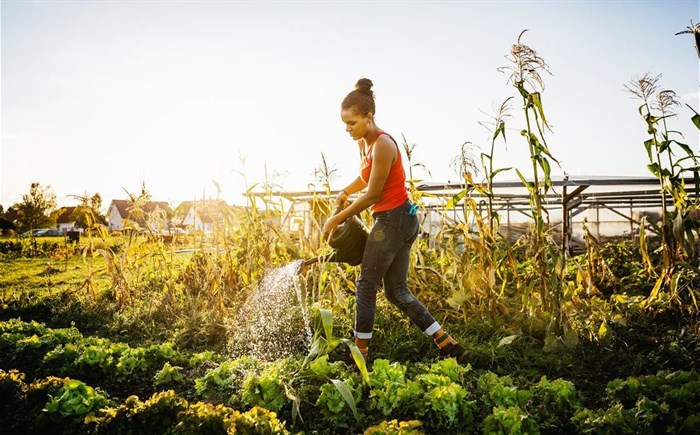 Image source: Gallo/Getty The development finance institution says increasing youth involvement in agriculture will be important for the long-term sustainability of the sector, particularly as South Africa continues to grapple with high youth unemployment. According to recent statistics, the unemployment rate among people aged 15 to 34 remains above 45%, while unemployment among those aged 15 to 24 is around 61%. “Youth participation is essential to the future of South African agriculture. Young people bring new ideas, technological fluency and entrepreneurial drive – qualities that are critical for building a modern, competitive and sustainable agricultural sector,” says Jabu Mphambo, acting CEO of Land Bank. “Our responsibility as a development finance institution is to ensure that the doors to this sector are open, accessible and supported by the right financial and developmental tools.” Access to land and finance a challengeAccording to Mphambo, access to productive land remains one of the biggest obstacles facing aspiring young farmers. Without secure access to land, many young people are unable to establish or expand agricultural enterprises. Access to finance is another significant challenge, particularly for young entrepreneurs who may lack collateral, credit history or inherited assets required by traditional lending models. Starting and growing agricultural businesses often requires substantial investment in equipment, infrastructure, technology and production inputs. Skills and mentorship gapsMphambo says limited exposure to agriculture as a career, coupled with a lack of practical training opportunities and mentorship, continues to discourage young people from entering the sector. He also argues that perceptions of agriculture have failed to keep pace with changes in the industry. “Compounding these challenges are outdated perceptions of agriculture as a labour-intensive, low-growth sector. "In reality, modern agriculture spans technology, logistics, finance, sustainability, research, processing and agribusiness – offering diverse and dynamic career paths that extend far beyond traditional farming,” says Mphambo. Value of mentorship and business skillsLand Bank points to the experience of farmer Motlalepule Vincent Masiu as an example of the role mentorship and financial management can play in building sustainable agricultural businesses. The Land Bank-funded farmer states: “If I could speak to my younger self before starting my farming journey, I would tell him to find two mentors: one for farming and one for life… One of the biggest lessons I learned is that farming is not just about producing crops or livestock – it's about managing a business. "Cash flow is more important than net worth because assets alone do not keep operations running… Build the farm, but also build the person running it.” Youth-focused support programmesLand Bank says it is strengthening its developmental mandate through funding solutions, partnerships and programmes aimed at supporting emerging farmers. Among these is the Farmers Academy, which provides practical training, mentorship, business management skills and exposure to modern farming practices. “Supporting youth in agriculture requires a comprehensive ecosystem that includes access to land, training, mentorship, markets and technology. "Land Bank is committed to working with government, industry partners, educational institutions and the private sector to build this enabling environment. Youth inclusion in agriculture is a shared responsibility, and collaboration is the only way to achieve meaningful, long-term impact,” says Mphambo. The bank says greater collaboration between government, industry and educational institutions will be necessary to create sustainable pathways for young people to enter and grow within the agricultural sector. |